Insight Foresight Institute has prepared a research on corporate innovation in Spain in connection with the E2I2 Forum (Education, Entrepreneurship, Innovation and Investment) coordinated by the Royal Academy of Engineering. The project consisted of: i) a study of the literature on intrapreneurship, innovation and corporate entrepreneurship, iii) verification of the data with public material, and iv) the final report.
There are several ways to approach entrepreneurship in corporations in Spain:
1. Do not carry out these activities: 9 companies of those consulted. Fundamentally in the Media sector and in the project oriented companies.
2. Intrapreneurship promotion: 17 companies consulted. Fundamentally based on employee ideas competitions.
3. Encourage external entrepreneurship: 16 companies consulted. Investment in new companies, customer cooperation, external ideas competitions, event sponsorship.
Based on the quantitative indicators consulted, it has been verified that some differences in the concrete dimensions that have been interesting to highlight (Image 1):
• Companies focused on the development and sale of products / services in front of companies focused on client projects (turnkey, tenders, etc …).
• Companies with corporate headquarters in Spain against subsidiaries of foreign companies.
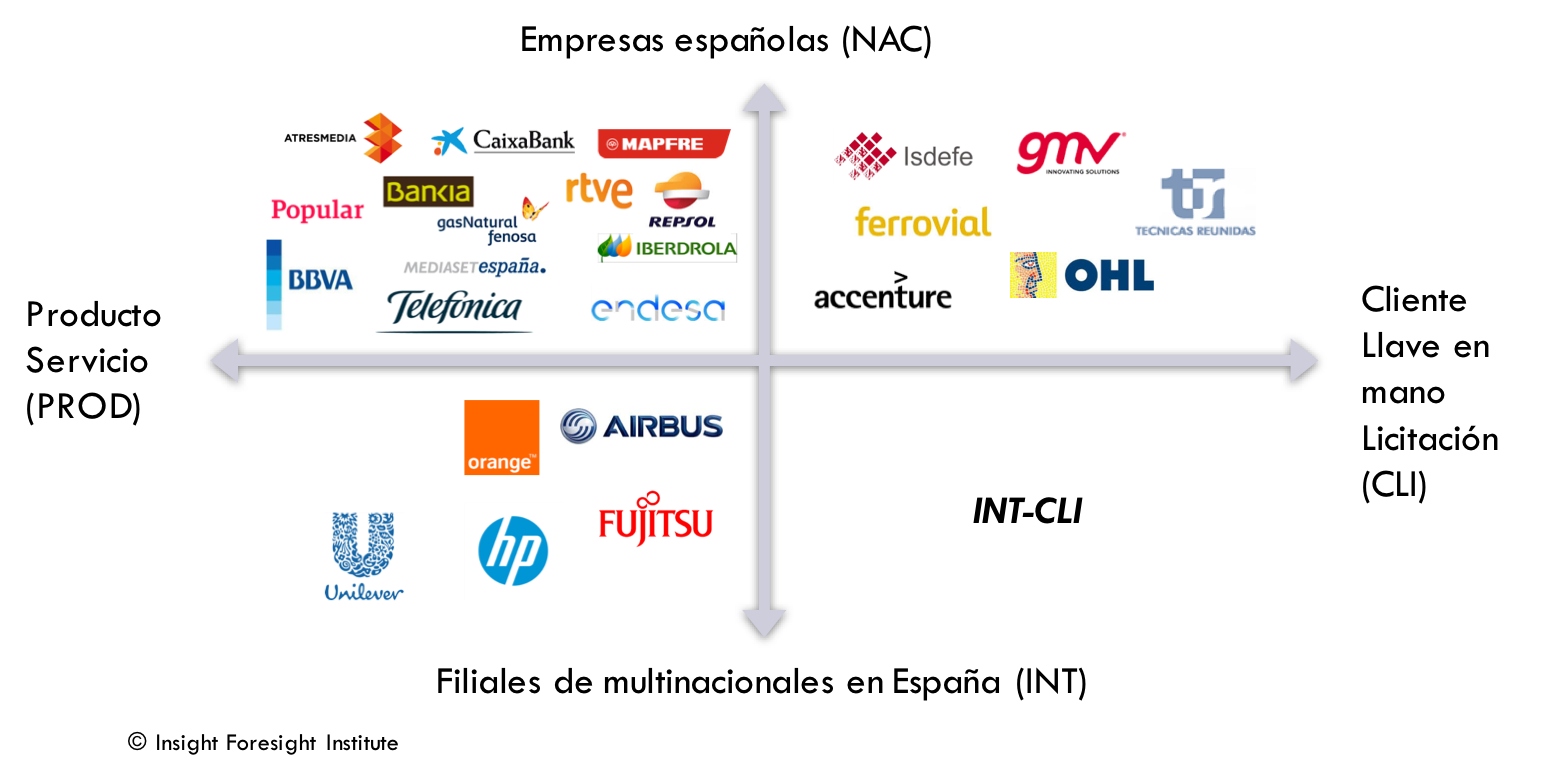
Figure 1. Distribution of companies interviewed according to type of sales and location of corporate headquarters.
The behavior regarding entrepreneurship, ideas management and innovation offers some nuances according to the quadrant that is observed (Image 2).
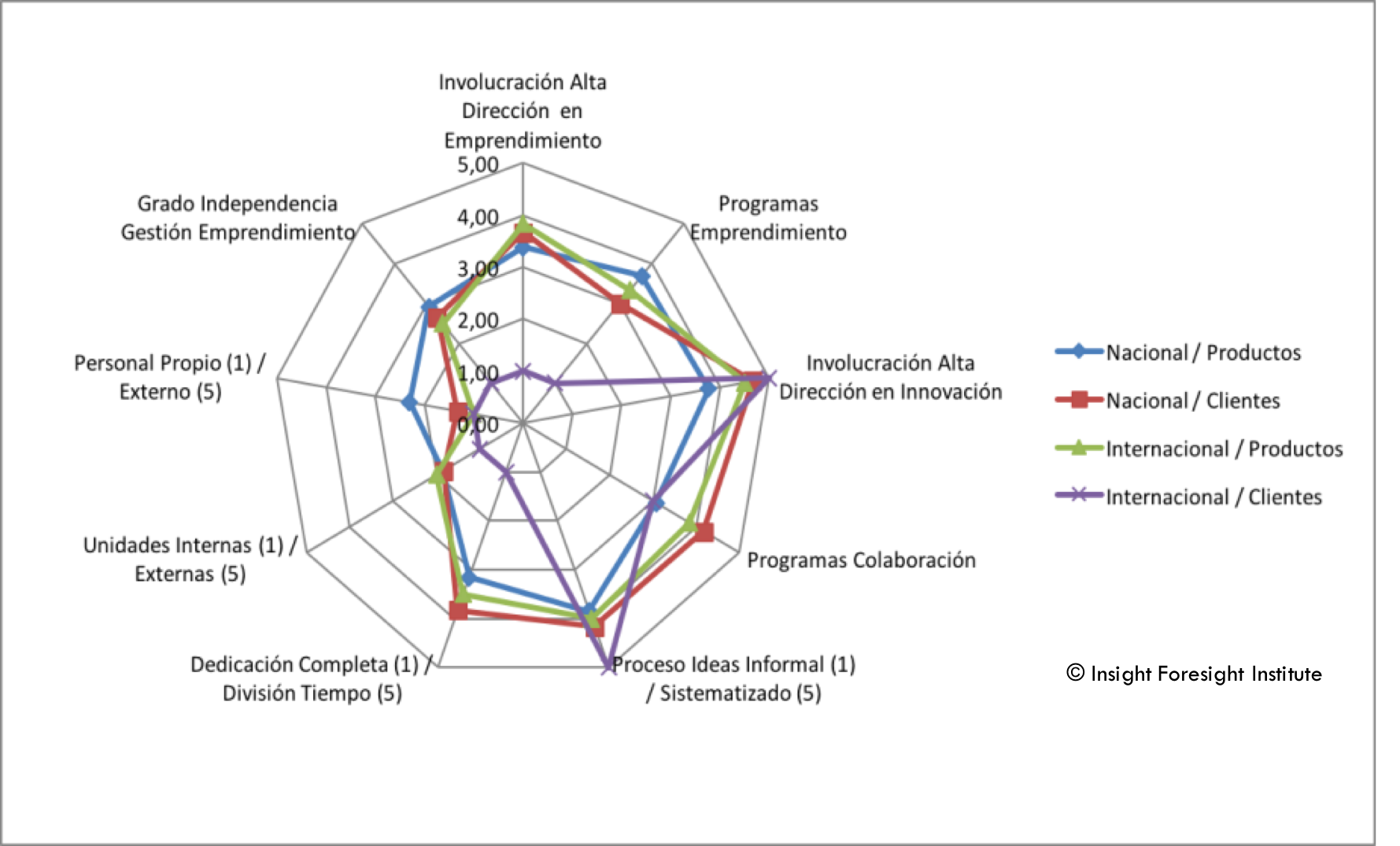
Figure 2. Positioning of the interviewed companies regarding their activities of ideas management, innovation and entrepreneurship.
Barriers perceived in companies to innovate can be grouped into external barriers, such as: (i) low entrepreneurial culture at country level; (ii) deficiencies in the education system and knowledge generation; (iii) poor public support and regulatory constraints; and (iv) difficulties in the financing of these activities, and internal barriers such as (i) Enterprise culture and vertical structures. Excessive internal bureaucracy; (ii) Financial bias in decision-making. Lack of innovation indicators and iii) Operational problems: Selection of non-entrepreneurial personnel and unchanging processes.
It can be concluded that there is great predisposition to entrepreneurship and innovation but little radical and disruptive innovation. Companies have specific units of high level corporate innovation, but also innovation in vertical units. The importance of ecosystem management is recognized. Intrapreneurship activities are carried out without specific remuneration in most cases. If it occurs, in kind and promotion. There is a broad interest in indicators: i) Process: efficiency and effectiveness of projects, ii) Strategic: most used, iii) Financial: main interest. Limitations by traceability.
To know the concrete results of the study, send us an email: info@if-institute.org
 The ‘deep dive’ workshop for the EURO-CASE Innovation Platform was organised by the Royal Academy of Engineering of Spain (RAI), with José Manuel Sanjurjo as chair and Francisco Jariego, member of the Innovation Council of IFI, in colaboration with Totti Könnölä, CEO of IFI, in Madrid on January 30-31, 2017. The workshop focused on ‘SMEs, innovation and industrialisation’. The work built on the background discussion paper and the results of the Euro-CASE survey. This provided a basis for the integrated analysis on industrial innovation towards the year 2030 through industrial platform ecosystems that engage value networks of industrial providers, customers but also research and technology organisations (RTOs), Universities, startups and other SMEs as well as investors, public sector agencies and regulators. Particular attention was given to the future role of SMEs and the barriers to scale-up. Also recommendations were drawn to provide inputs to European policy-making.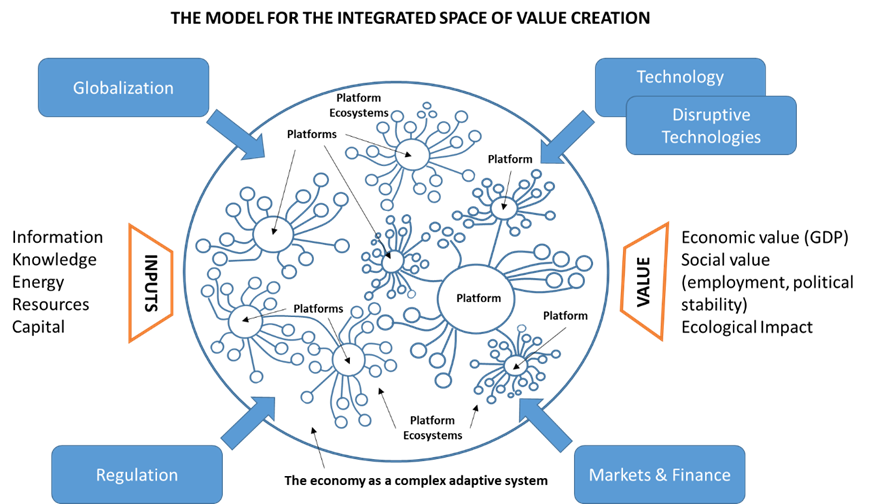
 José Manuel Leceta, General Manager of Red.es, and Totti Könnölä, CEO of Insight Foresight Institute write on their experiences on the EIT. The article was presented in the seminar “Growth ecosystems as a tool in the new industrial and innovation policy” organised by by SITRA and Ministry of Economy and Employment of Finland.
 The Ministry of Economic Affairs and Employment, the Finnish Funding Agency for Innovation TEKES and the Finnish Innovation Fund SITRA organised in autumn 2016 an international workshop to compile international research data on developing ecosystems. Totti Könnölä, CEO of Insight Foresight Institute, presented the paper “Co-creating Pan-European Innovation Ecosystems: reflections from the EIT”.
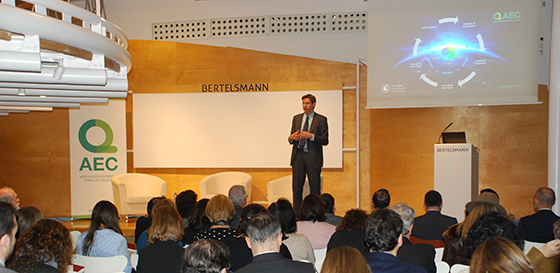 The AEC-Quality Community celebrated on February 9 its first plenary meeting of 2017. The plenary session was attended by Totti Könnölä, Managing Director & Co-founder of Insight Foresight Institute. During his keynote, Totti Könnölä reviewed the characteristics of the so-called ‘Circular Economy’ which, he said, allows the development of new ways of innovating and changing the business. In his opinion, Industry 4.0, digital transformation, Internet of Things and other technological advances offer new opportunities for circular economy.
